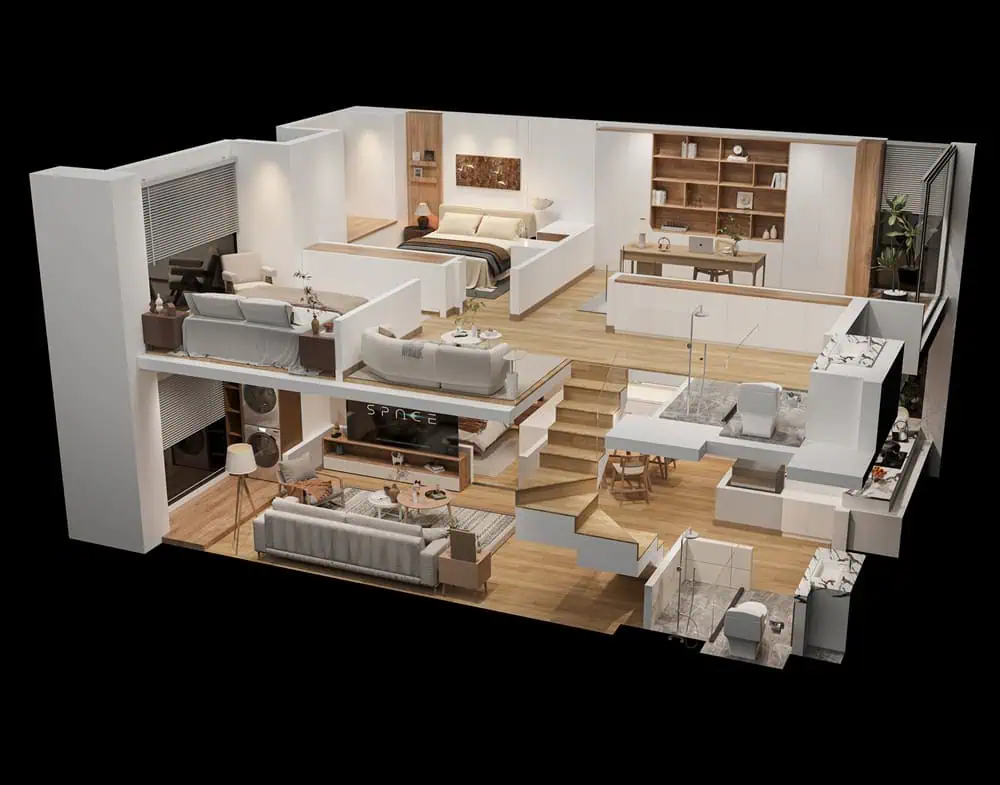
A still image captures a single moment. An animation can capture the experience of arriving, entering, and moving through a place. As screens and social platforms favor video, more developers and designers are adding motion to their presentations. Many providers of 3D rendering services now offer animations and walkthroughs alongside stills, giving clients new ways to show their work. Done well, a short film can communicate scale, flow, and atmosphere in ways that single images cannot. This article explains the main types of architectural animation, when they make sense, and what to consider when commissioning one from a 3D rendering company. It is a smart way to extend the value of a model you already have.
What Architectural Animation Offers
Animation shows relationships between spaces, how light changes through the day, and how a project connects with its surroundings. It can include a fly through from above, a walk through of the interior, or a cinematic sequence with music and text.
The format works well for investor presentations, sales galleries, websites, and social media, where video grabs attention quickly.
Sound and text can strengthen a film. Subtle music, short captions, and a final screen with contact details turn a visual piece into a complete marketing asset. Keep these elements simple so they support rather than distract from the architecture.
Animation can also communicate phasing and context. A sequence that shows a project within its surrounding streets, parks, and transport links answers questions about access and neighborhood character that still images may leave open.
Planning Animation Within 3D Rendering Services
Start with the purpose. Is the goal to excite buyers, secure funding, or explain a complex design? That determines length, pace, and style. Most promotional films run from under a minute to a few minutes, while technical walkthroughs may be longer.
Storyboarding helps. Agree on camera paths, key moments, and any people, vehicles, or details to include. Locking decisions before production avoids expensive changes, because animation takes more time to render than stills.
Pacing is critical. Camera movements that are too fast feel disorienting, while overly slow sequences lose attention. Reviewing a rough preview, often called an animatic, before final rendering lets you adjust timing without wasting production time.
Finally, schedule review points. Watching a draft with the whole decision-making team, rather than passing links around separately, usually produces clearer, more consistent feedback and fewer rounds of changes.
Choosing the Right Partner
Animation requires planning, technical skill, and time management. Review sample films for smooth camera movement, realistic lighting, and polished editing. When considering 3D rendering services that include animation, ask about timelines and revision limits. Aimir CG states that it delivers renderings and animations worldwide, with a reputation for fast and on time delivery, so confirm how that applies to the scope you have in mind.
Consider how the film will be used and request the right formats and resolutions for each platform.
Ask about technical specifications. Resolution, frame rate, and file size affect how the film plays on different devices. Confirm the platforms you will use so the final export looks sharp and loads quickly everywhere.
Looking Ahead
Short, vertical, and looped clips for social platforms are growing in demand, and real time walkthroughs are becoming more accessible. Expect clients to request flexible packages that include stills, a main film, and shorter social edits cut from the same footage.
Budget planning is important here. Because animation takes more time, ask which parts of the scene drive cost, and consider simplifying distant areas or shortening duration to stay within budget while keeping the key moments strong.
Conclusion
Motion adds depth, context, and emotion to architectural storytelling. Plan the purpose, approve a storyboard, and choose a capable provider. When animation complements stills, 3D rendering services from a trusted 3D rendering company can turn a design into an experience.
