Most people shop for lingerie one piece at a time, reacting to a worn-out strap or a sale banner. Planning ahead produces better results. Bodies, climates, schedules, and tastes all shift, and a collection that adapts to those changes saves both money and frustration. Thinking about bras & panty sets as part of a long-term wardrobe, rather than a series of isolated purchases, lets you prepare for what comes next instead of scrambling when something stops working.
Planning a Collection Instead of Buying on Impulse
Start by taking inventory. Lay out what you own and sort it into pieces you wear constantly, pieces you wear occasionally, and pieces you never touch. The last pile is informative, because it shows which colors, cuts, or fabrics you consistently avoid. Use those findings to define a small target collection, perhaps five or six everyday sets, a couple of specialty pieces, and one or two for lounging or sleep. A target number prevents duplicate purchases and makes it easier to say no to tempting but unsuitable items.
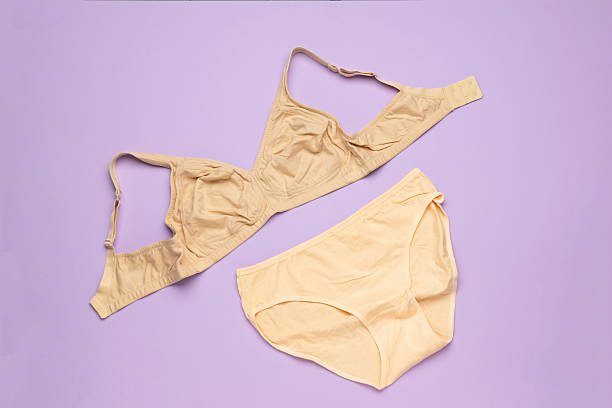
How Fit Needs Shift Over Time
Weight changes, hormonal shifts, pregnancy, nursing, exercise habits, and aging can all alter your measurements. A set that fit well two years ago may no longer offer proper support. Re-measure yourself at least once a year, and again after any notable change in your body. Adjustable bands, stretch panels, and soft wire-free constructions give flexibility during transitional periods. Planning for change isn’t pessimistic. It simply acknowledges that comfort depends on your current measurements, not the ones you had when you last bought something.
Seasonal Rotation and Climate Considerations
A rotation tied to the seasons keeps you comfortable year-round. Lightweight cotton and mesh-lined pieces handle humid or hot months, while thicker modal and smooth microfiber suit cooler weather and layered outfits. Choosing bras & panty sets in complementary shades across seasons also means you can mix and match when laundry day runs late. Keep the current season’s group at the front of your drawer and store the rest flat to prevent overstretching. When it’s time to replace items, buy near the end of a season so you have time to test fit and fabric.
Travel Packing With Fewer, Smarter Pieces
Travel highlights how useful a thoughtful collection can be. Three coordinated sets in quick-drying fabrics can cover a week if you hand wash one each evening. Choose neutral shades that work beneath different outfits, and pack pieces in a soft pouch to protect cups and trims. Compact, wire-free options save space and handle long journeys comfortably. Browsing bras & panty sets with travel in mind, focusing on weight, drying time, and versatility, often leads to better choices than shopping for appearance alone.
Emerging Fabric and Design Trends
Manufacturers continue experimenting with recycled fibers, softer seamless knits, and wider size ranges. Not every new material delivers what its marketing promises, so judge fabrics by how they feel and perform rather than by labels alone. Look for clear composition details and care instructions. You may also see more attention to adaptable fits, inclusive cuts, and breathable natural blends, though availability will vary by brand. Staying informed without chasing every trend keeps your collection practical and prevents you from buying something simply because it’s new.
A Simple Annual Review List
Once a year, work through these steps:
- Re-measure your band and bust
- Discard pieces with stretched elastic or broken hardware
- Note which sets you wore most often
- Identify gaps by season or type of outfit
- Set a replacement budget
Keeping brief notes from year to year makes patterns visible and helps you buy with intention rather than reacting to whatever is in front of you.
Budgeting for Replacements
Elastic and fabric wear out, so treat underwear as a recurring expense rather than a surprise. Setting aside a small amount each month smooths the cost, and replacing one or two pieces at a time keeps your rotation fresh without a large single outlay. Wait until pieces clearly decline before replacing them, but don’t hold on to garments that no longer support or fit properly. Spending a little more on the items you wear most often generally makes sense, since they’ll face the most washing and stretching.
Conclusion
A flexible, well-planned collection makes dressing easier and spending more predictable. Review your fit regularly, rotate with the seasons, and replace with purpose. Over time, your bras & panty sets will reflect real needs rather than passing impulses.
