The rapid growth of online education has transformed how people learn, making expert knowledge more accessible than ever. Podcasts, YouTube channels, newsletters, and online courses have created a new generation of educators who influence millions of learners worldwide. However, this accessibility also raises an important question: How do we know whom to trust?
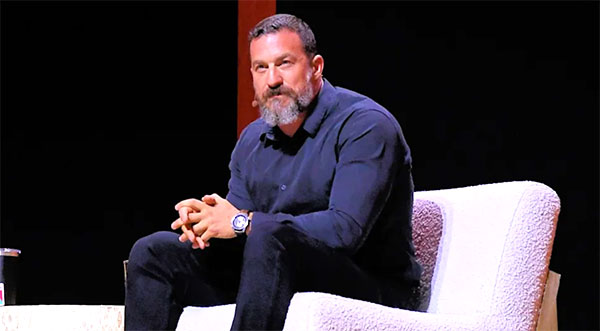
The discussion surrounding Andrew Huberman credibility has become a useful case study in evaluating expertise, transparency, and evidence-based communication. Regardless of individual opinions, it highlights broader lessons about critical thinking and responsible learning in the digital age. Rather than relying solely on popularity or credentials, modern learners must evaluate educators based on scientific rigor, honesty about limitations, and a commitment to continuous learning.
What Andrew Huberman’s Credibility Reveals About Online Learning
The internet has made it possible for anyone with knowledge—or simply confidence—to build a massive audience. While this democratization of education has many benefits, it also means learners need better tools for evaluating information.
Discussions about Andrew Huberman credibility demonstrate that even highly respected public educators can become subjects of scrutiny. These conversations encourage audiences to examine evidence rather than accepting claims at face value. That mindset is valuable across every area of online education.
Ultimately, credibility is not about perfection. It is about transparency, accountability, and a willingness to update information when new research becomes available.
Why Trust Matters More Than Ever in Online Education
Trust serves as the foundation of meaningful learning. Students invest their time, money, and confidence in educators expecting accurate and responsible guidance.
Without trust, educational platforms lose value because learners cannot distinguish reliable information from persuasive marketing.
Learning Requires Confidence
When students believe an educator is presenting balanced, well-researched information, they become more engaged in the learning process. Trust allows learners to focus on understanding concepts instead of constantly questioning every statement.
However, confidence should never replace critical thinking. Healthy skepticism remains essential.
The Cost of Misinformation
Incorrect or exaggerated information can spread rapidly online. Whether discussing health, business, finance, or technology, misinformation can lead to poor decisions with long-term consequences.
This is why evaluating educator credibility is just as important as evaluating course content.
Lessons from the Andrew Huberman Credibility Discussion
Rather than viewing credibility as a simple “trust or don’t trust” decision, learners can use ongoing public discussions as opportunities to develop stronger evaluation skills.
Credentials Are Only One Piece of the Puzzle
Academic achievements and professional experience provide valuable context, but they should not be the sole reason for trusting someone.
A credible educator should also demonstrate:
- Evidence-based reasoning
- Accurate interpretation of research
- Clear communication
- Transparency about uncertainty
- Respect for differing viewpoints
Credentials open the door, but consistent quality builds long-term trust.
Expertise Doesn’t Mean Infallibility
Every expert has limitations.
Science evolves through new discoveries, revised conclusions, and ongoing debate. Trustworthy educators acknowledge these realities instead of presenting every opinion as an unquestionable fact.
Learners should appreciate educators who admit uncertainty rather than those who claim absolute certainty.
The Role of Evidence in Digital Education
Reliable educators consistently distinguish between established scientific consensus and emerging research.
Research Should Support Claims
Strong educational content references credible studies instead of relying solely on personal experience or anecdotal success stories.
When evaluating online lessons, ask questions such as:
- Are research findings accurately represented?
- Is the information current?
- Are limitations discussed?
- Does the educator acknowledge conflicting evidence?
These questions strengthen digital literacy.
Context Matters
Individual studies rarely tell the entire story.
Good educators explain how research fits within a larger body of evidence instead of highlighting isolated findings that support a preferred conclusion.
Context transforms information into genuine education.
Transparency Builds Long-Term Credibility
Trust grows when educators openly discuss how they reach conclusions.
Clear Sources Increase Confidence
Learners appreciate instructors who cite research papers, explain methodologies, and distinguish between facts, interpretations, and personal opinions.
Transparency allows audiences to verify information independently.
Updating Information Demonstrates Integrity
Knowledge changes over time.
Responsible educators revisit previous recommendations when stronger evidence becomes available. Updating information should be viewed as a strength rather than a weakness.
Adaptability reflects commitment to truth rather than commitment to being right.
Popularity Should Never Replace Critical Evaluation
Millions of followers can indicate influence, but popularity alone does not guarantee accuracy.
Social media algorithms reward engaging content, emotional storytelling, and confident presentation. These qualities may increase visibility without necessarily improving educational value.
Students should evaluate information based on evidence instead of subscriber counts, viral clips, or endorsements.
Developing Critical Thinking as an Online Learner
The responsibility for trustworthy education belongs to both educators and learners.
Ask Better Questions
Instead of asking whether an educator is trustworthy, consider asking:
- What evidence supports these claims?
- Are alternative perspectives acknowledged?
- Is uncertainty discussed honestly?
- Are financial incentives disclosed?
- Has this information been independently verified?
These habits create stronger, more informed learners.
Compare Multiple Sources
No single educator should become someone’s only source of knowledge.
Reading books, reviewing scientific literature, consulting multiple experts, and comparing viewpoints creates a more balanced understanding of complex topics.
Diverse perspectives reduce the risk of confirmation bias.
The Future of Trust in Online Education
Artificial intelligence, personalized learning platforms, and creator-driven education will continue expanding opportunities for learners worldwide.
As educational content becomes increasingly abundant, credibility will become even more valuable than convenience.
Future educators who prioritize transparency, evidence, ethical communication, and intellectual honesty are likely to earn lasting trust.
Likewise, learners who develop strong media literacy skills will be better equipped to navigate an increasingly complex information landscape.
Conclusion
The ongoing conversation surrounding Andrew Huberman credibility offers more than commentary about one public educator—it provides meaningful lessons about evaluating expertise in today’s digital world. Trust in online education should never rest solely on credentials, popularity, or persuasive communication. Instead, it should be built on evidence, transparency, accountability, and a willingness to adapt as knowledge evolves.
For modern learners, the most valuable skill is not finding a perfect expert but becoming a thoughtful evaluator of information. By asking better questions, verifying sources, and embracing critical thinking, individuals can make informed decisions and gain far greater value from online education. In an era where knowledge is abundant, discernment has become one of the most important educational skills of all.
